Repair, restoration and modernization of equipment
TD "IRBIS" LLC helps enterprises repair, restore and modernize equipment in order to reduce downtime, extend the service life of units and improve production stability. We select solutions taking into account the real condition of the equipment, operating conditions, budget and production tasks.
What repair, restoration and modernization of equipment includes
Repair, restoration and modernization of equipment is a set of work aimed at eliminating the causes of failures, extending the service life of units and improving the stability of production processes. The service includes technical diagnostics, repair or replacement of worn elements, selection of optimal solutions, renewal of components, and measures to increase the reliability and productivity of the equipment.
Diagnostics of technical condition
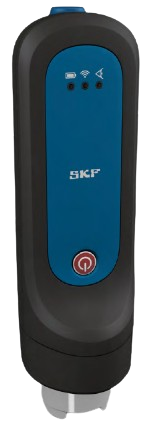
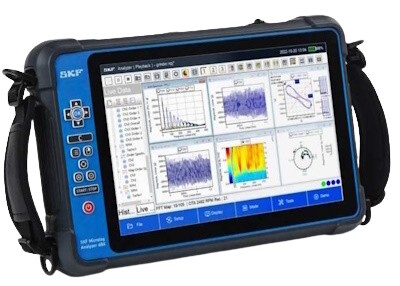
Our engineers visit the enterprise, record signs of faults, and analyze noise, vibration, overheating, premature wear and real loads. This makes it possible to determine the causes of failures, assess risks and draw up a correct technical specification for the repair, restoration or modernization of the equipment.
Selection of the technical solution
On the basis of diagnostics and identification of spare parts, components, equivalents, replacement schemes and repair and refinement options are selected. Repair and modernization of equipment may include replacing units, optimizing drives with the correct selection of such elements as couplings, gear motors and electric motors, drive belts, standardization of spare parts, adjustment of design solutions and selection of materials of the proper quality, as well as selection of components through the catalog of bearings and bearing units.
Implementation and support
After the scope of work is agreed, IRBIS provides technical recommendations and helps with installation, repair, alignment, commissioning and subsequent monitoring of operation. Repair and restoration of equipment are carried out so that the customer gets not a one-off effect but a stable result in the long term.
Services for repair, restoration and modernization of equipment
- Diagnostics and restoration of gear motors - checking the condition, identifying the causes of overheating, noise or vibration, and selecting solutions to extend service life.
- Modernization of drive stations - replacing obsolete components, improving safety, reliability and service intervals.
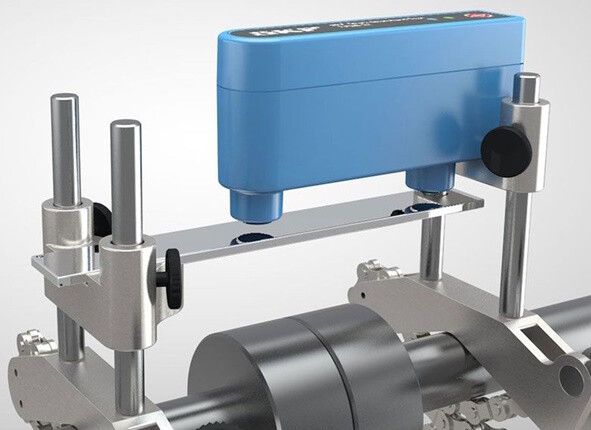
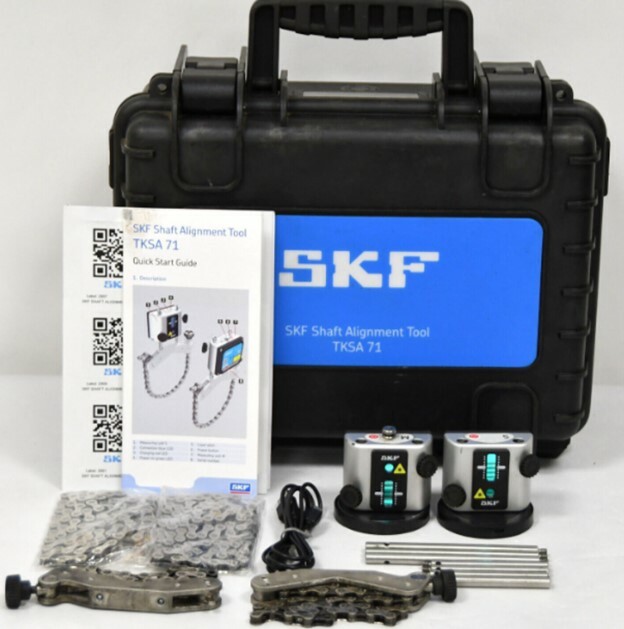
- Coupling alignment - eliminating misalignment, reducing the load on shafts, bearings and connections.
- Laser pulley alignment - correcting the position of pulleys to reduce belt wear and stabilize the drive.
- Replacing obsolete equipment with modern equivalents - selecting available, quality solutions instead of units and parts that are no longer produced.
Stages of ordering repair, restoration and modernization of equipment
- Contacting IRBIS. You describe the problem, the technical faults you have and the enterprise's tasks.
- Engineer's visit or initial analysis. We collect technical information, identify spare parts, assess the condition of units and determine the scope of work.
- Forming the solution. We prepare a list of measures, selection of components, and recommendations for repair, replacement or refinement.
- Agreeing and carrying out the work. We agree the timing, budget and sequence of actions and start implementation.
- Checking the result. We check operation after the repair, restoration or modernization and give recommendations for further use.
Why order repair, restoration and modernization of equipment from IRBIS
- Many years of experience working with enterprises in different sectors of the Ukrainian economy.
- A comprehensive approach - from diagnostics to repair, selection of components and technical support.
- A focus on the enterprise's tasks - reliability, service life, safety and operating economy.
- Work with modern and alternative solutions for real production conditions.
What you get after repair, restoration and modernization
- Fewer emergency stoppages and a lower risk of premature failures.
- Higher equipment productivity and more stable work processes.
- Optimized costs for spare parts, service and operation.
Which equipment needs repair, restoration and modernization
Repair, restoration and modernization of equipment are relevant first of all for drive systems and their individual units, in particular gear motors, couplings, pulleys and other elements that work under constant load and gradually lose efficiency. It is such units and systems that most often need technical assessment, repair, adjustment of operating parameters or replacement of individual components.
Special attention is needed for equipment in which noise, vibration, overheating, misalignment, accelerated wear of drive elements or reduced stability of operation appear.
If individual units or components are already obsolete, morally or technically, an effective solution is repair with replacement of worn elements or replacement of obsolete equipment with modern equivalents. This raises reliability, reduces the risk of failures and improves the operating characteristics of the equipment.
Which problems repair, restoration and modernization of equipment help to solve
Professional repair, restoration and modernization of equipment help eliminate the causes of unstable drive operation, reduce the load on units and raise the reliability of the equipment. Such work is advisable when the following are observed:
- increased noise, vibration or overheating of units;
- misalignment of couplings and pulleys;
- accelerated wear of drive system elements;
- reduced efficiency of gear motors and drive systems;
- frequent failures or unstable operation of obsolete units;
- a need to replace obsolete equipment with modern equivalents.
In many cases, comprehensive repair and modernization of equipment costs an enterprise less than constant local repair of industrial equipment, which does not remove the root of the problem.
Methods of repair, restoration and modernization of equipment
IRBIS applies an engineering approach: vibration diagnostics, technical analysis of units, calculation of drives, checking that components have been selected correctly, laser alignment, centering, repair or replacement of damaged elements, design of solutions to replace obsolete units, and optimization of lubrication systems.
Modernization of equipment may involve a switch to modern equivalents, adjustment of the design, a change to the drive scheme, selection of new motors and gearboxes, and a better approach to servicing and repairing industrial equipment, with a focus on service interval life and safety.
Which enterprises repair, restoration and modernization of equipment suit
The service suits manufacturing, agricultural, logistics, processing, food, engineering and other enterprises where equipment runs continuously or in harsh conditions. Comprehensive repair and modernization of equipment are especially relevant where downtime directly affects plan fulfillment and the cost of production.
IRBIS works with enterprises that want to reduce breakdowns, extend the service life of units, optimize their stock of spare parts and obtain a clear technical plan without unnecessary experiments.
Results of repair, restoration and modernization of equipment
The result of the work is not only the elimination of an individual fault but an improvement in the whole logic of operating the unit or system.
- longer service life of units and assemblies;
- fewer emergency stops;
- lower replacement and service costs;
- more stable operation of drives and transmissions;
- better safety of personnel.
When repair, restoration of equipment and technical refinements are carried out comprehensively, the enterprise gets a predictable production result and better control over operating costs.
Approximate timing of the work
Timing depends on the scale of the task, the number of units, the availability of components and whether a site visit is needed. Local work on diagnostics, repair, alignment or centering can be done promptly once agreed.
More complex projects, which involve selecting equivalents, repairing or replacing units, design calculations or several implementation stages, need a separate plan. IRBIS always agrees the timing before work starts.
Order repair, restoration and modernization of equipment from IRBIS
If your enterprise faces vibration, overheating, premature wear, a shortage of spare parts or a need to update obsolete units, contact TD "IRBIS" LLC. Our engineers are ready to visit the site, collect initial data and offer a practical solution.
We will help you choose the best path, from a spot repair and elimination of the problem to comprehensive modernization of a production section.
FAQ
When should you ask about repair, restoration or modernization of equipment?
You should ask when equipment starts to run unstably, the number of stoppages grows, vibration, overheating or misalignment appears, or drive efficiency falls. The earlier the technical assessment is made, the lower the risk of serious failure and more expensive repair.
Which is better: repairing and restoring an existing unit or replacing it with a modern equivalent?
It depends on the technical condition of the unit, the availability of components, the cost of repair and the requirements for further operation. In some cases it is more sensible to repair and restore the existing unit, in others to replace the obsolete equipment with a modern solution.
Can modernization be carried out without a full stop of production?
In many cases the work can be planned to minimize the effect on the production process. Whether it can be done in stages depends on the type of equipment, the complexity of the task and access to the units.
What data are needed to get started?
For the initial analysis it is best to provide a description of the problem, the type of equipment, operating conditions, information on loads and, if available, photos, drawings or technical documentation. If the data are insufficient, IRBIS engineers can collect them on site at the enterprise.
Does IRBIS work with equipment for which original spare parts are hard to find?
Yes, in such cases modern equivalents or technical solutions for repairing or replacing obsolete components can be offered. This is especially relevant for units that are no longer produced or have limited availability on the market.